Lifesaving Cancer Drugs put Pharmacists Lives at Risk
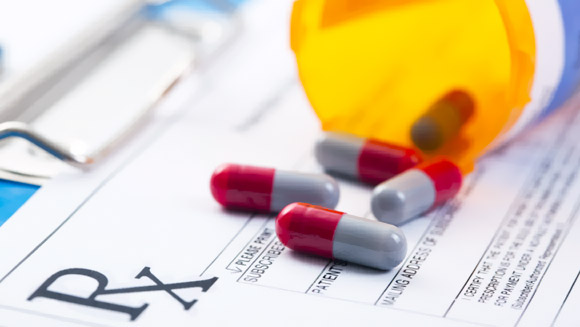
July 10, 2010. MSNBC - The same powerful chemotherapy drugs that have saved hundreds of thousands of patients’ lives for decades have at the same time potentially taken a deadly toll on pharmacy and clinic workers who handled them.
A just-completed study from the U.S. Centers for Disease Control, 10 years in the making and the largest to date, confirms that chemo continues to contaminate the workspaces where it’s used, and in some cases is still being found in the urine of those who handle it, despite knowledge of safety precautions.
Chemo agents have been classified as “hazardous drugs” by the OSHA. Hazardous drugs are those known, or suspected to cause cancer, miscarriages, birth defects, or other serious health consequences.
Read more here .
More counterfeit drugs seen around the globe
May 17, 2010 GENEVA - Production and sale of counterfeit drugs is on the rise in rich and poor countries, with more unwary consumers buying them over the Internet, experts warned. Full story
Spring Meeting Photo Gallery
see meeting brochure here .
ID Lawmaker Hopes To Legalize Medical Marijuana
April 12, 2010. Idaho Representative Tom Trail (R-Moscow) plans to introduce a medical marijuana bill in the legislature next year. Full Story .April 20, 2010. FoxNews. Medical Marijuana Support Grows, Polls Find. Full Story. See State by State map/summary of medical marijuana laws here .
Conscience Bill Becomes Law
March 31, 2010. BOISE -- Governor Otter has allowed the Conscious Clause Bill to become law without his signature.
According to the Statesman, Gov. Otter expressed some concerns about the law, saying he supported conscience rights, but said "negatively impacting patients' rights - especially when it comes to end-of-life decisions - is equally problematic." Read more here .
The Idaho Senate passed the bill by a vote of 21-13 on Feb. 26th, and the House of Representatives passed it 51-18 on March 17th. It will become law on July 1st.
Read earlier news reports here and here . Read the actual bill and its legislative progress here .
AHA Wants Pharmacists on Cardiovascular Care Teams to Reduce Med Errors
March 30, 2010. A new scientific statement from the American Heart Association offers several recommendations for reducing the frequency and consequences of medication errors in acute cardiovascular and stroke patients. One recommendation is to integrate pharmacists and nurses into the cardiovascular care teams in hospitals' emergency departments, intensive care units, and inpatient wards. Read the AHA Scientific Statement here .
Fish Oil Shows Promise in Preventing Psychosis
February 1, 2010 CHICAGO - Fish oil pills may be able to save some young people with signs of mental illness from descending into schizophrenia, according to a preliminary but first-of-its-kind study. For the new study, researchers identified 81 people, ages 13 to 25, with warning signs of psychosis. After one year of monitoring, 2 of 41 patients in the fish oil group, or about 5 percent, had become psychotic. In the placebo group, 11 of 40 became psychotic, about 28 percent. Some prior studies on omega-3 supplements have shown benefits in people with full-blown schizophrenia. Full story.
ACCP White Paper Reports Rewards, Advancements for Clinical Pharmacists
January 2010. A 2005 survey for the American College of Clinical Pharmacy found that managers significantly underestimate the importance that clinical pharmacists place on work–life balance and favorable work schedules. Read the White Paper here .
CMS Explains New Medicare Part B Codes for Providers
December 14, 2009. The Centers for Medicare & Medicaid Services has published an article explaining the new Medicare Part B payment codes for physicians and others performing patient evaluation and management consultations on or after Jan. 1. Click here for the PDF.
Ladd Pharmacy Studies Pharmacist Prescribing for Flu
November 18, 2009. It’s a science experiment only eight pharmacies in the country are trying, and Ladd Family Pharmacy in Boise, owned and operated by ISHP member Elaine Ladd is one of them.
The primary focus of the study is to see whether pharmacists should be able to screen, diagnose and treat patients with flu-like symptoms. If someone shows up to the pharmacy to be tested, and the tests come back positive, the study then gives Ladd a random variable. One option is to give the patient Tamiflu. The other is to refer the patient to a doctor who prescribes Tamiflu, which delays the treatment three to four days. The study compares the difference between immediate treatment and delayed treatment.
This study is free to the public and will be on going for the next one to two years. Click here to watch the news video and read more.
FDA Unveils Safe Use Initiative
November 4, 2009- the US Food and Drug Administration announced the Safe Use Initiative , a program aimed at reducing the likelihood of preventable harm from medication use.
Today, tens of millions of people in the United States depend on prescription and OTC medications to sustain their health - as many as 3 billion prescriptions are written annually. Too many people, however, suffer unnecessary injuries, some die as a result of preventable medication errors. The FDA believes that many of these medication-related risks are manageable if parties committed to the safe use of medications work together.
The mission of the Safe Use Initiative is to create and facilitate public and private collaborations within the healthcare community. The goal of the Safe Use Initiative is to reduce preventable harm by identifying specific preventable medication risks and developing, implementing ad evaluation cross-sector interventions with partners who are committed to safe medication use.
Read more here . Read the Safe Use Initiative Report here .
TOOL KIT TAKES ON PRESCRIPTION DRUG ABUSE BY TEENS
A scripted Power Point presentation and other resources for developing an education program on preventing prescription drug abuse by teens is available for health care providers and others who work with teens. The free online tool kit was developed by the National Council on Patient Information and Education, the Substance Abuse and Mental Health Services Administration, and other stakeholders. For more information, click here. Related News: Teen pot & alcohol use on the rise, study shows (03/02/10)
Treasure Valley Drug Drop Off Programs
Scientists have shown that the drinking water of 41 million Americans has trace amounts of pharmaceuticals (full story ), and pharmacists recommend against flushing unwanted drugs. Treasure Valley pharmacists and local law enforcement promote programs that allow residents a convenient way to safely dispose of unused prescription and OTC medications, to keep drugs out the wrong hands and out of our water. People with unwanted medications and old prescriptions can get rid of them safely -- for free .
Medications must be bagged.
Liquid containers must be sealed in plastic bags.
Needles and aerosol cans are not allowed
Boise drop-off bins are at three locations:
Boise City Hall West off Emerald Street, between Maple Grove and Five Mile Road,
Ada County Sheriff's Office on Barrister Drive, and
Garden City Police Station.
Meridian residents can drop off medication at the Meridian Police Department, 1401 E. Watertower, between the hours of 8:00 am – 5.00 pm, Monday through Friday.
For more information, click here .
JUST ASK! Campaign
Patients sometimes don’t even realize that there is a pharmacy department in the hospital or that pharmacists are key members of the patient’s healthcare team. That’s why ASHP created the Just Ask! Campaign. This program is designed to increase the visibility of pharmacists and pharmacy departments among hospital patients, visitors, and staff. For the starter pack, click on the picture below.
Please wait...